
Pakistani Fashion and Footwear: How the Right Sandal Completes a Traditional Look
How thoughtful footwear choices elevate Pakistani traditional dress — from daily shalwar kameez to formal occasion wear.
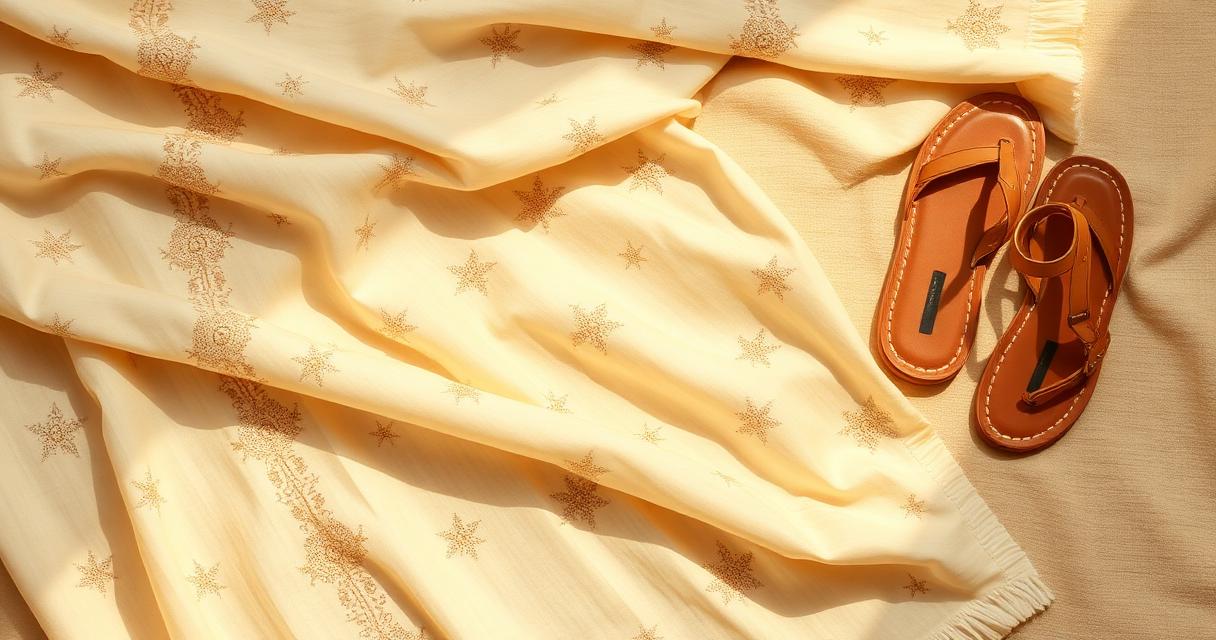
Fashion in Pakistan is one of those things that cannot be reduced to a single aesthetic. It is layered — literally and figuratively. From bridal wear to everyday cotton shalwar kameez, designer pret to regional embroidery, footwear is the element that either ties a look together or quietly undermines it. Yet shoes tend to get the least consideration of any part of the outfit.
The Role of Footwear in Traditional Dress
Traditional Pakistani dress has a visual logic — silhouette, embellishment, colour palette, and dupatta drape all follow internal coherence. Footwear, when chosen well, extends that coherence to the ground. When chosen poorly, it creates a visual full stop in the wrong place.
A heavily embroidered kameez paired with a delicate strappy sandal reads as one cohesive statement. The same kameez with a chunky rubber-soled shoe disrupts the visual rhythm — the ornate detail and the shoe simply do not speak to each other.
Understanding Different Dress Codes
For daily wear — college, markets, errands — the priority is comfort and adaptability. Neutral tones eliminate matching decisions and make any outfit look intentional with no effort.
For mid-level occasions like family gatherings and casual dawats, a sandal with more character earns its place. A textured finish, slightly elevated sole, or warm bronze tone signals dressed-with-the-occasion-in-mind without going full formal.
For weddings and formal events, the sandal should carry aesthetic weight. A high-quality metallic sandal, clean embellishment, or intricate jewel tone makes the shoe part of the statement rather than background.
Khusa Versus the Contemporary Sandal
The traditional khusa carries enormous cultural significance and genuine craft value. It is not going anywhere, nor should it. But the contemporary handcrafted sandal offers a bridge between traditional sensibility and modern aesthetic — quality and local craftsmanship in a silhouette that works equally well with formal wear and contemporary pret.
Aven by Zoya occupies this space thoughtfully — its sandals carry the same underlying values of careful making and considered design as the khusa tradition, channelled into shapes that speak to a broader wardrobe.
Colour Logic for Traditional Outfits
Exact matching is rarely the most elegant solution. Tonal harmony serves you better. Warm-toned outfits — mustard, rust, olive — pair beautifully with warm-toned sandals in tan, camel, or bronze. Cool-toned outfits — lavender, dusty blue, rose — sit well with off-white or subtle silver finishes.
Exact matching genuinely works only with monochromatic looks: all-black with black sandals, all-white with white. Everywhere else, harmony beats matching almost every time.
Mixing Contemporary and Traditional
When you combine eras or aesthetics — a formal embroidered dupatta with cropped trousers, or a classic shalwar kameez with minimalist sandals — footwear is the deciding vote on which direction the look leans. A delicate ornate sandal pulls toward tradition; a clean structural one pulls toward contemporary.
The most exciting hybrid looks tend to hold both elements in tension rather than resolving entirely in one direction.
Investing in What You Actually Wear
Many Pakistani women own formal sandals worn twice a year and rotating cheap casual pairs replaced every few months. The economics are worse than they appear. A high-quality everyday pair, cared for properly, will outlast several cycles of cheap replacements and look better throughout.
Explore sandals designed to work across every dress code at Aven by Zoya. Shop the collection →