
The Three-Pair Footwear Wardrobe: Cover Every Occasion Without Owning Twenty Shoes
Build a deliberate three-pair footwear capsule that handles everyday, semi-formal and formal contexts in Pakistani life.
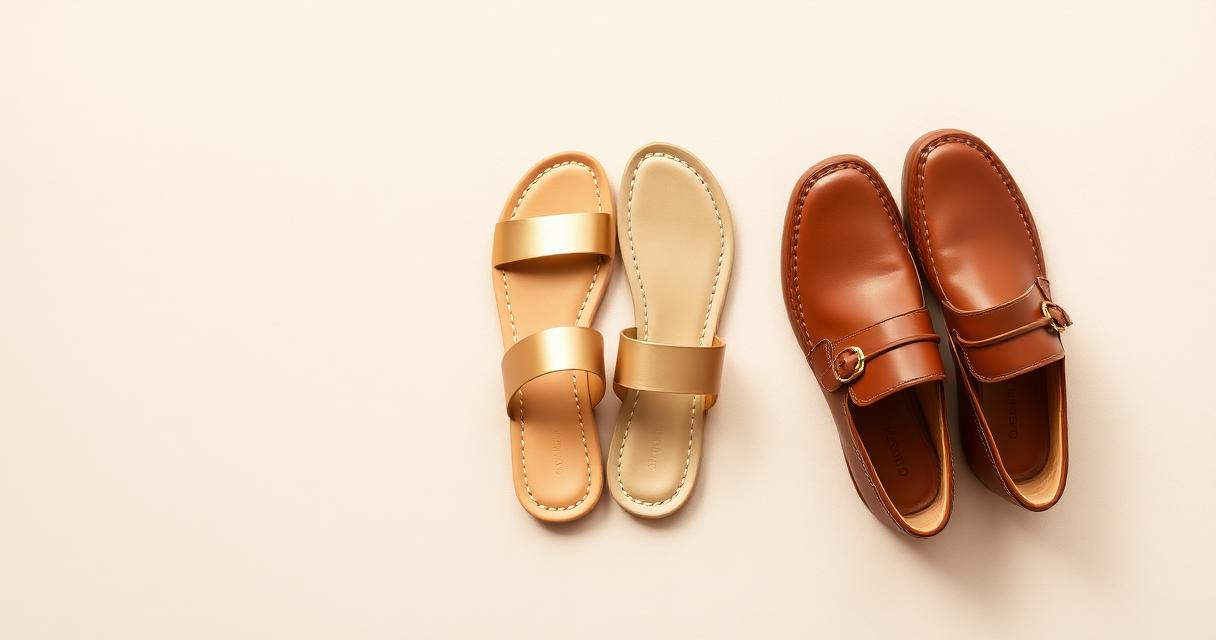
There is a version of footwear ownership that most women in Pakistan are quietly exhausted by: a cupboard full of shoes, most of which only work with two or three outfits, half of which were bought for a specific occasion and never worn again. The alternative is to build deliberately. To choose three pairs — just three — with enough care that they cover everything. Not almost everything. Everything.
Why Three Pairs?
Three is a specific number for a reason. One pair is too limiting. Two gets closer, but there are almost always context combinations that neither handles well. Three pairs, chosen thoughtfully, gives you a daytime workhorse, a formal option, and a transitional pair that bridges the space between them.
More than three is where things get complicated. A fourth pair starts to overlap with one of the first three, and the wardrobe begins to fragment back into reactive accumulation. Three forces clarity. It asks you to be honest about what you actually need rather than what you might theoretically use someday.
Step 1: Audit What You Actually Do
Spend ten minutes being honest about your life — not the life you plan to have, the one you actually live, week to week. How many days a week do you wear footwear outside the house? How often do you attend formal occasions? What is your most common outfit? How much time are you on your feet?
The point is to arrive at a clear picture of three distinct contexts that your footwear needs to serve. For most Pakistani women those are roughly: everyday informal, semi-formal social, and formal occasion.
Step 2: What Makes a Pair 'Wardrobe-Worthy'
Colour neutrality is the single most important quality. A foundational pair belongs to the neutral family — tan, beige, nude, off-white, camel, warm brown, or metallic. These tones work against the full range of Pakistani dressing.
Construction that ages well — handcrafted leather with clean stitching looks better after a year of wear than a cheaper pair that was already at its best the day you bought it. Avoid silhouettes that are currently very fashionable — clean flats, loafers, and simple strappy mules have been relevant for decades. And if a pair is beautiful but only wearable for two hours, it is not a wardrobe pair. It is a liability.
Pair One: The Everyday Flat Sandal
Your workhorse. The pair you reach for almost every day — going out, errands, family visits, informal gatherings, the market, lunch. A flat or very low heel sandal in a neutral leather: tan, beige, nude, or off-white. Clean strap construction without heavy embellishment. A footbed with enough padding to be comfortable over extended wear.
Flat sandals in neutral tones are essentially invisible — they do not pull the eye, so they do not clash with anything. With proper care, a quality leather flat sandal should serve you for three to five years of regular wear. This is the pair worth spending more on.
Pair Two: The Metallic or Embellished Formal Sandal
Your occasion pair. A flat or low-heeled sandal in gold, rose gold, or silver leather — or, alternatively, a sandal with subtle embellishment in a neutral base. The best occasion footwear complements formal dress without competing with it.
Metallic tones sit naturally within the vocabulary of Pakistani formal dressing. Choose something you actually love rather than something you can tolerate, because you will be wearing it for significant moments — weddings, Eid celebrations, family gatherings throughout the year.
Pair Three: The Transitional Loafer or Structured Mule
The pair that closes the gap — the one that works when Pair One feels too casual but Pair Two feels too formal. A leather loafer in tan or camel, or a structured leather mule in a warm neutral. The defining characteristic is that it reads more put-together than a flat sandal without crossing into occasion territory.
This pair works particularly well with the growing trend of mixing traditional and contemporary dressing — a linen kurta with straight trousers and a tan loafer hits a very specific kind of effortless modern elegance that neither a flat sandal nor a metallic occasion sandal can quite achieve.
Getting the Palette Right and When to Add a Fourth
Pair One in tan, camel, beige or nude; Pair Two in gold or rose gold; Pair Three in cognac or warm brown. This palette works across white, ivory, blush, sage, terracotta, rust, mustard, olive, navy, black, and the full range of jewel tones.
Add a fourth pair only for a genuine gap — a closed-toe requirement for work, winter weddings in colder regions, or a specific foot concern. Do not add one because the third is not working well — fix the third instead.
The Investment Logic
A three-pair wardrobe built on quality handcrafted footwear costs more at the outset than buying six or seven pairs of cheaper shoes. The total spent, however, is almost always lower over a three-to-five-year period. Cheap footwear typically lasts one to two seasons. Quality leather footwear, maintained properly, can last three to five years or more.
Beyond economics, there is the matter of what you are carrying through your day. A pair that fits well, feels good, and looks exactly right is a different thing to wear than one you are constantly managing. Three pairs, chosen deliberately, worn with intention. That is a wardrobe that actually works.
Build your three-pair foundation with handcrafted styles from Aven by Zoya. Shop the collection →