
The Wedding Guest's Footwear Guide: Every Shaadi Function Covered
From mehndi to valima — how to choose footwear that suits each Pakistani wedding function and stays comfortable across long evenings.
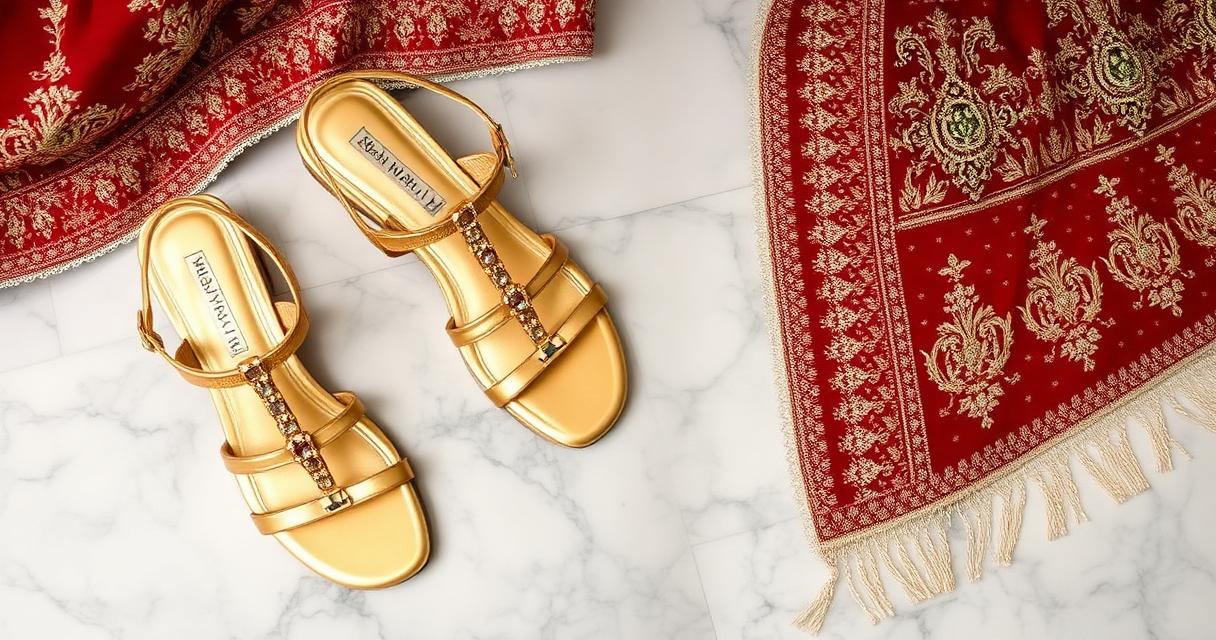
Wedding season in Pakistan is its own phenomenon. Unlike single-day Western ceremonies, Pakistani weddings unfold across multiple events — mehndi, dholki, barat, valima — each with its own atmosphere, dress code conventions, and physical demands on footwear. Getting this right is not just about aesthetics. It is about being comfortable and appropriate across very different environments and social moments.
The Mehndi: Colour, Comfort, and Grass
The mehndi is usually the most relaxed and colourful function. It is often outdoors, which introduces the practical challenge of footwear on grass and uneven ground. Avoid stilettos or narrow kitten heels — they sink into soft ground and are uncomfortable. A flat or low broad-based heel is significantly more practical.
Colourful embellished sandals are at home at a mehndi. With yellow, gold or orange detailing works beautifully. With green, warm gold or bronze picks up the tone. Since mehndi events often involve sitting on the floor for extended periods, sandals that are easy to slip off and on are a practical advantage.
The Dholki: Casual but Still Considered
Dholki dress codes are usually semi-formal to casual-formal. A clean sandal in a warm neutral — or one with a modest metallic element — fits perfectly. This is not the occasion for your most spectacular footwear, but also not for everyday casual sandals. The middle register is exactly right.
Dholki events frequently involve singing and light dancing, so comfort over several hours becomes particularly relevant.
The Barat: The Main Event
The barat is the central formal event, and it is where footwear choices matter most. You will likely be on your feet for the majority of the evening, photographed repeatedly, on marble or carpet floors. A metallic sandal in gold or rose gold, with enough strap coverage to feel secure, is ideal. The metallic finish works across the range of formal fabrics most women wear to barat.
The key comfort consideration for barat specifically is ankle support. A sandal with an ankle strap stays in place far better over several hours than a backless slide. The slide may look equally beautiful on, but you will notice the difference by hour three.
The Valima: Daytime Elegance
The valima is typically a daytime event with a slightly lighter atmosphere than the barat. Daytime formal wear calls for footwear that reads elegant without the full intensity of evening footwear. A clean sandal in a warm neutral — soft camel, pale gold, off-white — works beautifully.
The valima also tends to be shorter, which gives flexibility to choose for aesthetics over pure endurance.
Practical Tips for the Full Wedding Season
Do not wear your best formal sandals for the mehndi — save them for the barat. The outdoor mehndi environment is harder on shoes.
Break in new formal sandals before wearing them to a wedding. New straps can be stiff and may cause friction until the material softens.
Pack a small fold-up flat sandal for long events. Many women find that having a backup flat in their bag is one of the most practical decisions they make.
Building a Wedding Guest Strategy
Rather than buying new footwear for every event, build a small collection that rotates. A good gold or rose gold formal sandal covers barat events across multiple weddings. A warm neutral handles valimas, semi-formal daytime events, and mehndi alike. A comfortable flat covers casual, outdoor, or extended-duration events. Three pairs serve you across an entire wedding season.
Find your wedding season footwear at Aven by Zoya — from mehndi to valima, every function covered. Shop the collection →