
A Complete Leather Footwear Care Guide for Every Season in Pakistan
Season-by-season care for handcrafted leather sandals — from summer heat and monsoon humidity to dry Punjab winters.
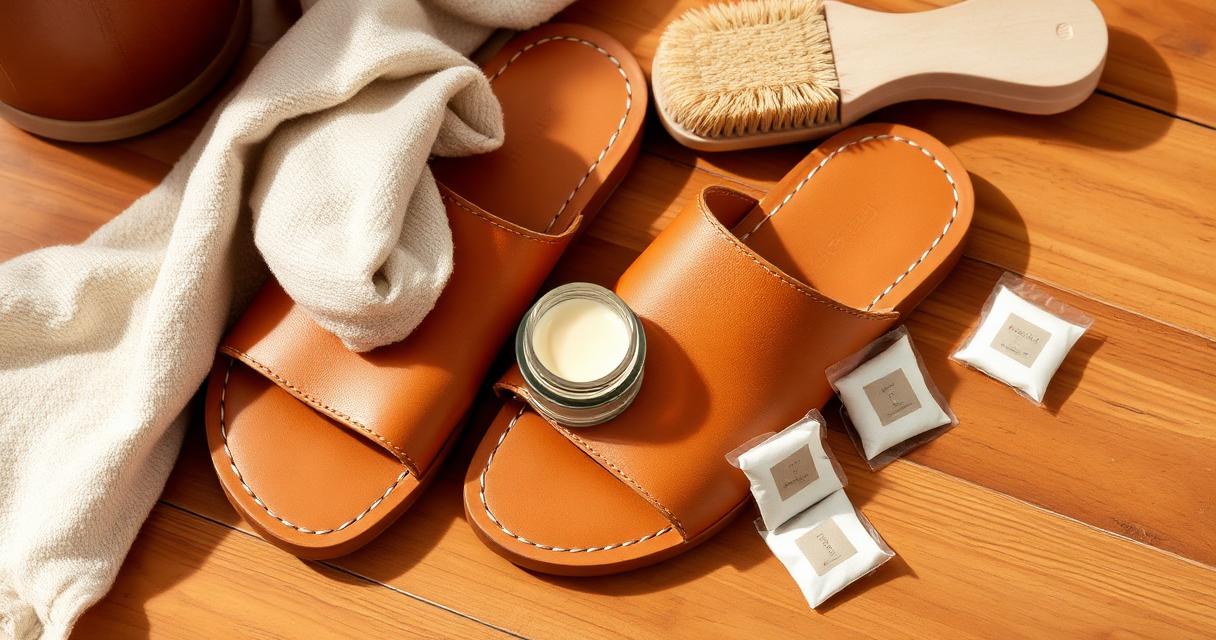
Ask anyone who has owned a good pair of leather sandals for more than a few years what they did differently, and the answer is almost always the same: they paid attention. Not obsessively — but consistently. A wipe here, a little conditioner there, proper storage when the season changed. The specifics matter, particularly in Pakistan, where the climate is genuinely punishing to footwear.
Understanding What You Are Caring For
Leather is processed animal hide — a natural material that behaves somewhat like skin. It contains natural oils that keep it supple. When those oils dry out, the leather becomes stiff and eventually cracks. When it gets too wet and is not dried properly, it warps, stains, and develops mildew. When it is exposed to heat without protection, it can fade, stiffen, and in some cases shrink slightly.
Conditioning replaces lost oils. Cleaning removes surface dirt that works its way into the grain over time. Proper storage prevents deformation and moisture damage. None of this is complicated — it just requires doing it at the right time, in the right way.
The Essentials You Actually Need
A soft cloth or old cotton T-shirt for wiping down the surface. A mild or saddle soap, heavily diluted, for stubborn grime. Leather conditioner — the single most important product you can own (coconut oil works in a pinch, applied sparingly).
A soft-bristle brush or old toothbrush for stitching and around hardware. Petroleum jelly for preventing friction blisters and softening new pairs. Reused silica gel sachets for storage. Cedar shoe trees or clean rolled newspaper to help sandals and loafers hold their shape.
Summer Care (April to July): Heat and Dust
This is the hardest season for leather footwear in Pakistan. The main threats are perspiration, dust, heat and UV fading. After every wear, wipe the sandal — top, bottom strap, and footbed — with a clean damp cloth. It takes thirty seconds and makes a genuine difference.
Do not pack sandals into a bag or box immediately after wearing them. Let them air for at least twenty minutes. Every two to three weeks during summer, apply a small amount of leather conditioner to the straps and upper. Keep footwear out of direct sunlight during storage — a shelf inside a wardrobe is fine, the windowsill is not.
For a new pair before a long hot day, apply petroleum jelly to the inner edges of straps the evening before. This reduces friction significantly and prevents the blistering that tends to happen when new leather meets hot, perspiring feet.
Monsoon Care (July to September): Humidity and Rain
The monsoon is when most leather footwear either survives or does not. Apply a leather waterproofing spray or beeswax-based protector before the season begins. This creates a thin barrier that repels water without affecting breathability.
If your sandals get wet, blot — do not rub — with a clean dry cloth. Stuff lightly with dry newspaper to hold shape and absorb moisture from the inside, replacing it after a couple of hours if saturated. Allow the sandal to dry at room temperature, away from direct heat. Slow, gentle drying is always the correct approach. Once dry, apply leather conditioner.
Store shoes in breathable cloth bags, never plastic. Slip a silica gel sachet into each bag and air stored shoes every two weeks if the weather has been particularly humid.
Post-Monsoon and Autumn (October to November): Transition
This is the most forgiving time of year for leather in Pakistan. Use this season to do your most thorough clean of the year. Brush the entire sandal with a dry soft-bristle brush, getting into the stitching and removing dust from the footbed.
Mix a tiny amount of mild soap into warm water — about one part soap to twenty parts water. Dip a cloth into the solution, wring it out until barely damp, and wipe in gentle circular motions. Do not saturate the leather. Wipe away soap residue with a clean damp cloth. Once dry, apply a generous coat of leather conditioner — this is your seasonal deep conditioning.
Inspect the stitching for loose threads. A loose thread is not immediately a problem, but if left unaddressed it can unravel further and compromise the structure of the sandal.
Winter Care (December to February): The Dry Season
Pakistan's winters are mild but genuinely dry. Low humidity is a real risk for leather — consistent dryness over months pulls moisture from the leather and eventually causes cracking, especially at flex points.
Condition more frequently than you think necessary — once a month rather than every six to eight weeks. Pay particular attention to areas that flex when you walk. Before storing summer sandals away, clean them thoroughly, apply a coat of conditioner, stuff loosely with acid-free tissue, and store in a breathable cloth bag with a silica sachet in a cool, dry, dark space.
Hardware, Stitching and the Single Most Important Habit
Metal buckles and clasps need occasional attention. For gold-toned hardware, a dry cloth buff after each wear is usually enough. For stubborn dullness, a tiny amount of olive oil on a cotton swab, wiped gently and then buffed dry, can restore some of the original lustre. Inspect stitching every few months and address any pulling thread with a cobbler promptly.
If you take nothing else from this guide, take this: wipe your shoes after every wear. Thirty seconds with a clean cloth after you take your sandals off. This single habit, done consistently, extends the life of quality leather footwear by years.
Browse handcrafted leather styles built to reward proper care at Aven by Zoya. Shop the collection →