
Finding the Right Sandal Fit: A Guide to Comfort and Sizing
How to measure, size, and choose handcrafted sandals that fit comfortably from the very first wear.
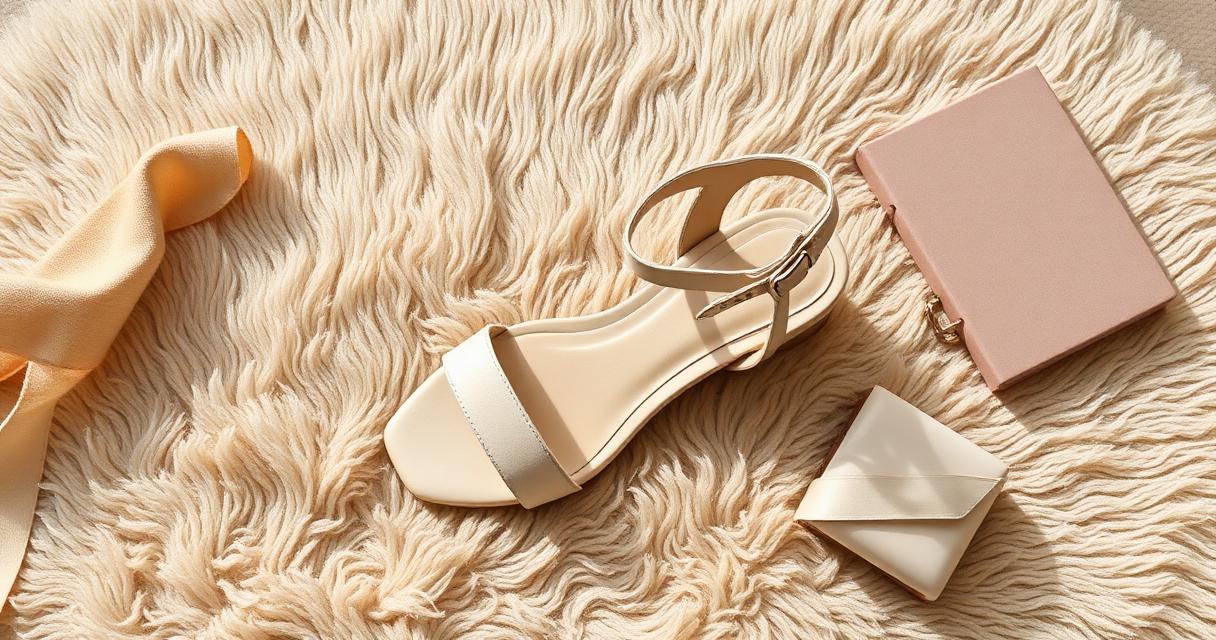
We have all bought shoes that looked perfect in the shop and then proceeded to cause blisters, pinching, or sore feet within an hour of wearing them. The problem is almost never the sandal itself — it is the fit. And unlike closed shoes where sizing issues can sometimes be masked, sandals leave little room for error.
Measure Your Feet — Both of Them
Most people have one foot slightly larger than the other. This is completely normal. When sizing sandals, always go by the larger foot. Trying to squeeze into a smaller size for the sake of symmetry is a recipe for discomfort.
Feet also swell slightly over the course of the day, particularly in warmer weather. For the most accurate measurement, measure your feet in the afternoon or evening, not first thing in the morning. Stand on a piece of paper, trace the outline, and measure the length from heel to the longest toe.
Understand How Sandal Sizing Differs from Closed Shoes
Sandal sizing tends to run slightly differently from closed footwear. Because there is no toe box to account for, fit is more about the footbed length and strap placement than the overall shoe size. When trying on sandals, your toes should sit comfortably within the front of the footbed — not hanging over the edge, and not crammed backward.
The heel should sit flush with the back of the sandal. If your heel is hanging off the edge, size up. If there is a large gap at the heel, size down.
Pay Attention to Strap Fit
A sandal strap should hold the foot securely without digging in. If a strap leaves a red mark after just a few minutes of wear, it is either too tight or placed at a point that does not suit your foot shape. A small amount of initial snugness is fine — new straps often soften with wear — but actual pain from the start is a sign the fit is off.
Adjustable straps are a great feature to look for, particularly around the ankle, as they allow you to customise fit regardless of ankle width.
Consider the Sole and Arch
Flat sandals are comfortable for many people, but if you have arched feet or any kind of foot sensitivity, a sandal with a slight contoured footbed will feel significantly better over long periods of wear. The contour supports the natural curve of the foot and reduces fatigue.
When choosing between sole thicknesses, a slightly thicker or cushioned sole absorbs more impact, which matters if you are on your feet for extended periods throughout the day.
Give Them a Trial Walk
Before fully committing to a pair — whether buying in person or after receiving an online order — walk around in them for a few minutes on different surfaces. Pay attention to whether any part of the sandal rubs, shifts, or causes immediate discomfort. A well-fitted sandal should feel natural almost immediately.
Find your fit across a range of sizes at Aven by Zoya. Shop the collection →