
More Than Just Shoes: How Your Footwear Choices Affect the Way You Feel
The psychology of footwear — how the shoes you choose actively shape mood, posture and presence throughout your day.
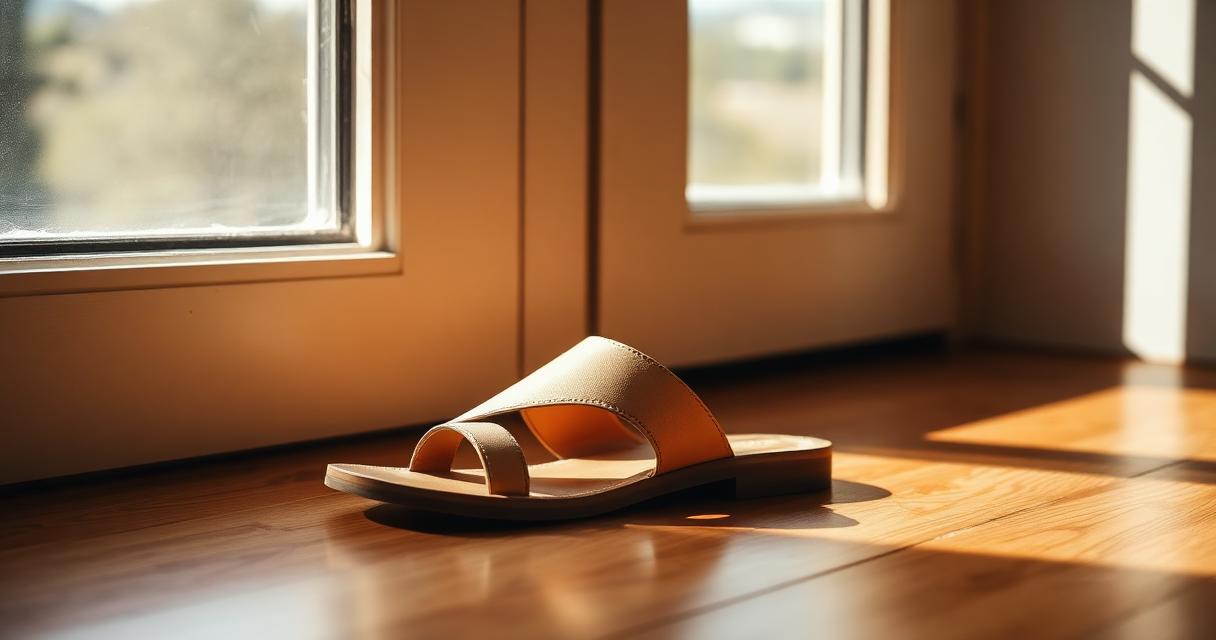
There is a moment most women recognise — when you put on a pair of shoes that feel exactly right and something shifts. Your posture straightens slightly. You walk a little differently. You feel, for reasons difficult to articulate, more like yourself. This is not vanity. It is psychology.
The Concept of Enclothed Cognition
In 2012, Northwestern researchers introduced the term 'enclothed cognition' — the idea that clothing does not just reflect our identity and mood, it actively shapes them. The same principle applies to footwear. A pair of sandals you associate with confidence, with a particular kind of occasion, or with a version of yourself you enjoy inhabiting, will actively contribute to those feelings when you wear them.
This is not placebo psychology. It is the very real effect of self-signalling. How you dress tells your own brain something about who you are today.
Comfort and Confidence Are Not Separate
There is a persistent idea that discomfort is the price of looking good. It is largely wrong. Physical discomfort is distracting — when your feet hurt, a portion of your attention is always occupied by that pain, drawing cognitive and emotional resources away from the actual experience of whatever you are doing.
A sandal that fits well and feels genuinely comfortable disappears from your awareness. You are not thinking about your feet — you are thinking about the conversation, the event, the moment. This is the real value of well-made, well-fitted footwear: it allows you to be fully present.
The Ritual of Getting Dressed
For many women, getting dressed is a ritual — a sequence of decisions that prepares you for the day. Footwear, as the final element, often functions as the closing note. When you reach for a sandal you genuinely love, that small act contributes positively to your starting state. When you reach out of default or resignation, the opposite is true in a small but real way.
This is not an argument for spending large sums for psychological reasons. It is an argument for being intentional about the few pairs you do own. Owning fewer things you genuinely love is psychologically different from owning many things you merely tolerate.
Occasion Dressing and Preparation
When preparing for a significant occasion, the process of choosing what to wear — including what shoes — is part of the psychological preparation. The sandal you choose for a wedding is not just a practical decision. It is part of constructing the version of yourself you want to present and inhabit at that event.
Conversely, footwear that feels wrong for the occasion creates a subtle but persistent sense of being not quite right. Most people have experienced this, and most will recognise how disproportionately it affects the experience of an event.
Building a Relationship with Your Wardrobe
There is something to be said for the relationship you build with pieces you own for a long time. A sandal worn to memorable occasions, associated with good days and good company, carries a warmth that new purchases rarely have. Durability is not just an economic virtue — it is also an emotional one.
Small Choices, Real Effects
The invitation is simply to pay a little more attention to how your footwear choices make you feel — not just how they look. These small shifts in attention lead, gradually, to a wardrobe of things you actually love. And that, it turns out, has measurable effects on how you move through your days.
Find sandals worth loving at Aven by Zoya — handcrafted with both comfort and beauty in mind. Shop the collection →